

Have you ever looked into your dog’s wise eyes and wondered if they can learn new things? Many pet owners think senior dog training is too hard. But, our older dogs are more adaptable than we think, and they can learn new things with the right approach.
When my loyal friend started showing signs of aging, I felt sad. I missed the days when he was full of energy and eager to learn. But soon, I realized he still had the spirit to grow. Even with grey hairs, older dogs still respond well to positive experiences and training.
Senior dog training is not only possible but also very beneficial. It keeps their minds sharp and helps them adapt to aging. This journey is about more than teaching new tricks. It’s about making their life better and strengthening your bond with them.
Quick Recommendation: Our blog is filled with tips and tricks for training your puppy or dog. If you’re seeking a comprehensive training program, we recommend K9 Training Institute.
Understanding the Mindset of Senior Dogs
As dogs get older, their brains work differently than when they were younger. This change affects how they see and interact with the world. It’s important to understand how their brains work when training senior dogs.
Older dogs need more patience during training. Sessions should be short and fun to match their abilities. Too much information can overwhelm them.
Keeping a senior dog’s mind active is key. Regular mental and physical activities help them stay sharp. Tailoring training to their needs keeps them happy and healthy.
Break tasks into smaller steps and use positive reinforcement. Changing your expectations and creating a supportive space makes your senior dog feel loved. Focusing on their brain health and being patient helps in caring for them.
Health and Physical Limitations
Training senior dogs requires understanding their health and physical limits. Conditions like arthritis, hearing loss, and vision problems are common. These issues affect their comfort and ability to learn.
Arthritis can make moving painful for your dog. It’s important to avoid high-impact activities. Hearing loss might mean your dog doesn’t respond to voice commands. Using hand signals can help.
Reduced vision also impacts training. Make sure the area is well-lit and free of obstacles. This helps your dog stay focused and secure.

Adjusting your training methods is key for senior dogs. Opt for gentle exercises and short sessions. This keeps them active without hurting their joints.
Low-impact training makes learning comfortable for your dog. It helps keep them happy and healthy. This approach is essential for their well-being.
Positive Reinforcement Techniques
Positive reinforcement is great for training older dogs. It uses rewards to encourage good behavior. This keeps them excited and builds a strong bond with you.
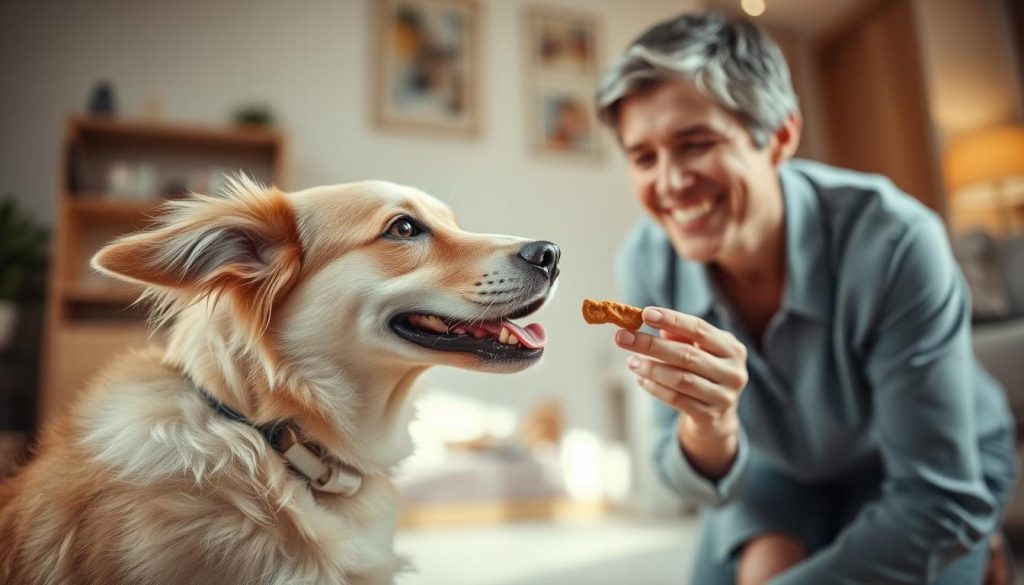
Senior dogs love praise and treats. These simple rewards help them learn and feel good. Keep training sessions short and fun to keep them motivated.
Training should be gentle and consistent. It makes learning fun for your dog. Positive reinforcement is about rewards and building a strong bond with your senior dog through patience and love.
Choosing the Right Treats and Rewards
Choosing the right treats and rewards for older dogs is very important. Healthy treats help keep them well and address health issues like joint problems and obesity. Look for treats that are low in calories but full of flavor and nutrients.

It’s important to know what your older dog likes as rewards. Some may like soft treats because of dental issues. Others might enjoy interactive toys. Knowing what motivates them makes training fun for both of you.
Using healthy treats as rewards can really help. Try low-calorie options like apple slices or special senior dog treats. This way, you can reward them without worrying about weight gain.
Quick Recommendation: Our blog is filled with tips and tricks for training your puppy or dog. If you’re seeking a comprehensive training program, we recommend K9 Training Institute.
Consistency is Key
When training senior dogs, being consistent is key. Regular training routines help your older dog know what to expect. This makes them feel secure and helps them learn better.
Having a set training schedule is important. It leads to big improvements and helps your dog remember commands better. Using the same words and gestures for each command is also crucial. This avoids confusion and helps your dog learn faster.
Senior dogs do well with a steady approach. This makes training a rewarding experience for both you and your pet.
Basic Commands and Behavior Correction
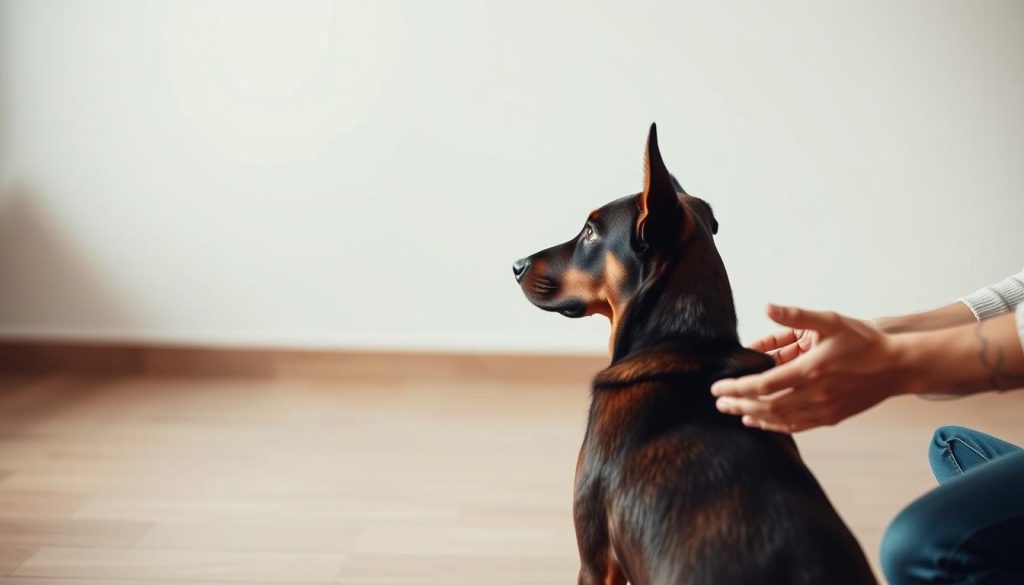
Obedience training is key for senior dogs to stay safe and well-behaved. Learning basic commands like sit, stay, and come makes their life better. These commands also make your bond stronger.
Correcting unwanted behaviors takes patience. Senior dogs may have old habits, but gentle training can help. Positive reinforcement, like treats or praise, works well to change bad behaviors.
Using both verbal cues and hand signals helps your dog understand commands better. This is especially helpful for older dogs with hearing or vision loss. Remember, being consistent and repeating commands is crucial for success.
Socialization for Older Dogs
As dogs get older, their social habits might change. But it’s key to keep their social skills sharp. Regular interaction with dogs and humans boosts their mental and emotional health.
You can slowly introduce them to new social situations. This helps keep them sociable.
Daily walks and playdates are great for your older dog. They get to meet other dogs. Group training classes are also good, as they offer a structured setting for socializing.
If your dog is used to being alone, start with short social times. Then, gradually increase the time.
Positive experiences are crucial. Rewarding good behavior helps keep them sociable. Socializing in a familiar place reduces anxiety and keeps their social skills sharp.
A well-socialized senior dog stays confident and happy. This greatly improves their overall well-being.
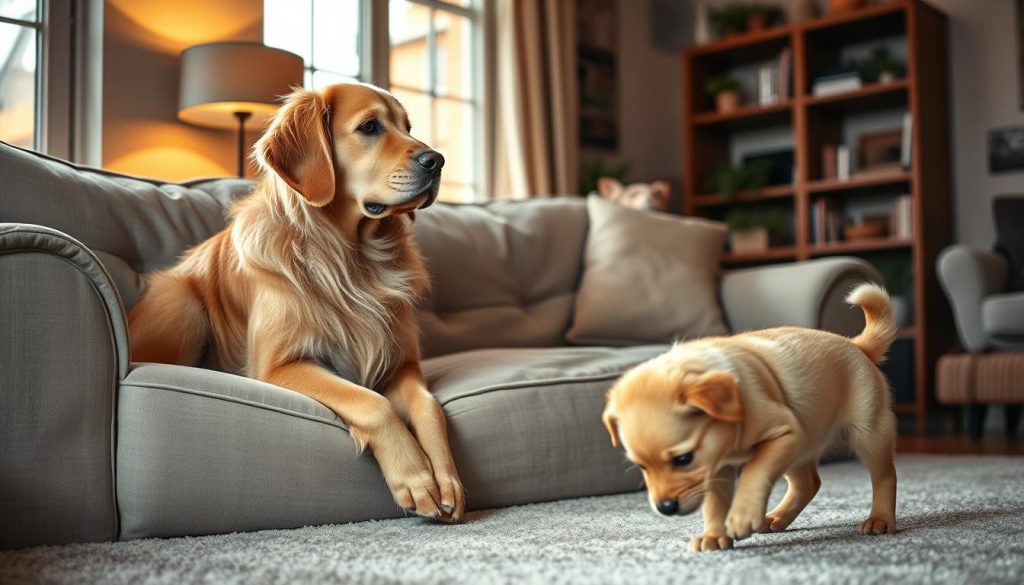
Interactive toys and puzzles keep their mind active. They stay engaged and alert. Using these during social activities makes it fun for your senior dog.
The aim is to make socialization a positive part of their day. This boosts their quality of life and keeps them sociable.
Advanced Training for Senior Canines
Advanced dog training isn’t just for young pups; senior dogs can also thrive on new challenges and experiences. Stepping into the realm of complex commands can offer substantial mental stimulation for senior dogs. This can be an enriching way to keep their minds sharp and agile.
Consider introducing new tricks tailored to their abilities. You might start with scent work, which taps into their keen sense of smell and provides a fun and engaging activity. Teaching complex commands like “find it” or “left paw, right paw” can be rewarding and manageable.
Advanced dog training sessions should always respect the dog’s pace. Short, consistent training intervals, coupled with positive reinforcement, can lead to significant progress without causing undue fatigue. You could also leverage interactive toys that dispense treats when your senior dog accomplishes specific tasks. These toys offer a perfect mix of mental stimulation and reward.
Remember, the goal is to keep your senior dog engaged and happy. Training is a lifelong journey, and even in their golden years, dogs can learn and enjoy new experiences. Advanced training not only physically stimulates them but also offers immense mental benefits that contribute to overall well-being.
Conclusion
We hope you found this guide on training senior dogs helpful. It’s important to understand their mindset and health needs. This knowledge helps you tailor your training to fit their physical limits and use positive reinforcement.
Choosing the right treats and being consistent are key to success. These steps are essential for every training journey.
Training is rewarding for both you and your dog. It keeps them mentally sharp and physically active. Basic commands and behavior corrections are a good start. Socialization and advanced training keep them engaged and happy.
The bond you build through training is truly special. It’s not just about commands and tricks. It’s about creating a deeper connection and ensuring your dog’s happiness.
Here’s to a fulfilling and joyous training journey with your beloved senior dog!
Quick Recommendation: Our blog is filled with tips and tricks for training your puppy or dog. If you’re seeking a comprehensive training program, we recommend K9 Training Institute.