

Ever wondered why your dog doesn’t listen to you? You might be making some common mistakes in dog training. These errors can stop your pet from learning and behaving well.
Training a dog is more than just teaching tricks. It’s about building trust and consistency. Knowing how to train your dog right can change their behavior for the better.
Let’s explore 10 common dog training mistakes and how to avoid them. Experts in animal behavior and dog training will share their insights. This way, you can make sure your dog is happy, obedient, and well-behaved.
Introduction to Dog Training
Training your dog is key to a happy relationship with your pet. Learning the basics of dog training helps your pet behave well and strengthens your bond. Positive training methods let you communicate better with your dog and encourage good behavior.
Teaching your dog basic commands like sit, stay, and come is important. These commands are the base for more complex training and stop bad behaviors. With regular practice, your dog will learn to follow your commands, making life better for both of you.
Training also keeps your dog’s mind active. It prevents boredom and destructive actions. Plus, positive training makes learning fun and rewarding for your pet.
Good training needs understanding of timing, consistency, and patience. These are crucial for successful and enjoyable dog training. Adding training to your daily routine helps your dog know what to do and how to act.
In short, positive dog training not only improves behavior but also deepens your connection with your pet. With patience and consistency, you can achieve your training goals and build a lifelong friendship based on trust and respect.
Quick Recommendation: Our blog is filled with tips and tricks for training your puppy or dog. If you’re seeking a comprehensive training program, we recommend K9 Training Institute.
Inconsistency in Commands
When training dogs, keeping commands consistent is key. Changing words or gestures often confuses them. This can slow down their learning.
It’s important to communicate clearly with dogs. Use the same commands and signals every time. For instance, always say “sit” instead of switching to “down.”
Dogs love routine and clear instructions. Make sure everyone in your home uses the same commands. This helps your dog learn faster.
To keep commands consistent, write them down and practice often. Use these commands in your daily life. Remember, being patient and consistent is crucial for clear communication with dogs.
Lack of Patience
Patience is key in dog training, yet many overlook it. Owners often underestimate its importance, leading to frustration. Dogs learn at their own pace, which may not match ours.
Patience helps create a positive learning space for your dog. It’s about being consistent without getting impatient. Stick to a routine and let your dog learn at its own speed.
Setting realistic goals is vital for both you and your dog. Begin with small tasks and gradually add more. This helps your dog build skills without feeling overwhelmed.
Being calm during training is crucial. It shows your dog you’re patient and helps them learn better. This approach boosts your training success.
Skipping Socialization
Many dog owners make the mistake of skipping socialization in training. This can have lasting effects on your pet’s behavior. Dog socialization training is key, especially in the first few months of a puppy’s life. It sets the stage for how they’ll act around other dogs, pets, and people.
Early socialization is crucial for developing good social skills in dogs. It makes them feel comfortable and confident in various settings. Without it, dogs might become scared or aggressive, leading to behavioral problems.
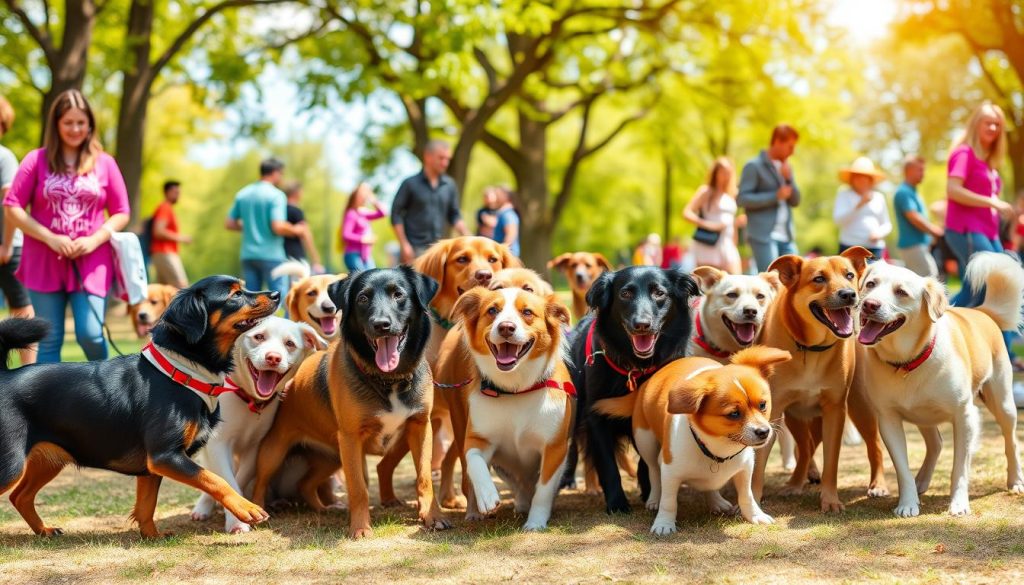
To help your puppy socialize well, start by introducing them to new things, people, and animals slowly. Arrange playdates, visit dog parks, and take walks in different places. This helps them learn to interact nicely and feel less anxious in new situations.
Adult dogs also need socialization to stay happy and healthy. Regularly exposing them to different places helps keep their behavior positive. Continuous dog socialization training improves their temperament, making life better for both you and your dog.
Using Negative Reinforcement
Training your dog requires understanding negative reinforcement effects. Unlike positive reinforcement, which rewards good behavior, negative reinforcement can harm. It’s important to know the difference.
Authoritative training might seem to work at first. But it can make dogs stressed and fearful. The harm it causes to their mental health is significant. Using punishment to stop bad behavior can hurt your bond with your dog.
The positive vs. negative training debate is ongoing among dog trainers. Positive methods encourage good behavior and make training fun for both you and your dog.
Instead of negative reinforcement, try using positive and stress-free methods. These approaches help address bad behavior without causing fear or anxiety. Using positive training techniques will make learning better and healthier for your dog.
Unrealistic Expectations
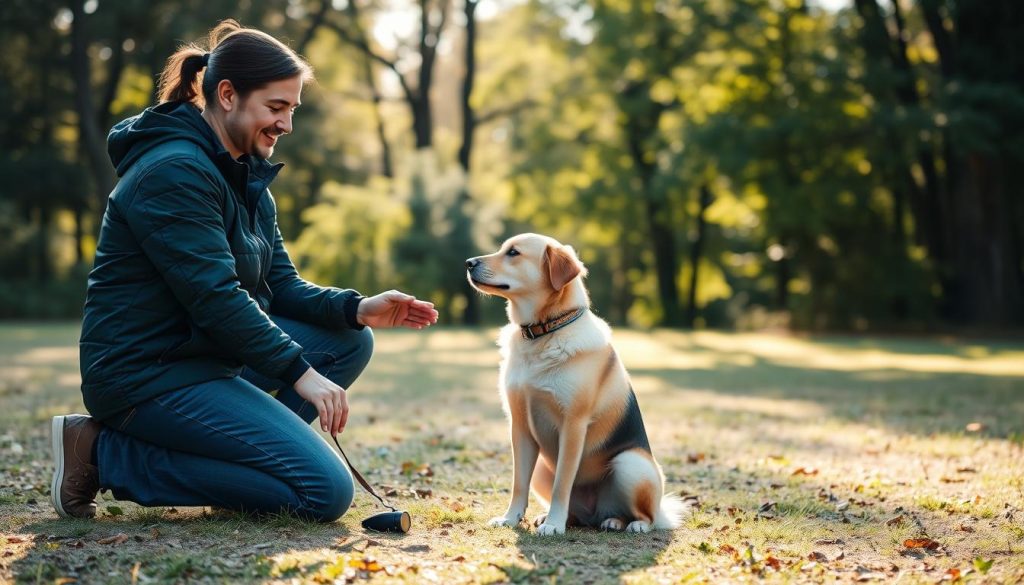
Setting realistic dog training goals is key for both you and your dog. A common error is expecting too much too fast, leading to frustration. It’s important to understand that different dogs learn at different rates.
When training, aim for achievable goals. Recognize that some skills take longer to master. By tailoring your expectations to your dog’s abilities, you’ll have a better training experience. This method also helps you plan a more effective training schedule, ensuring steady progress.
Ignoring Behavioral Issues
Ignoring dog behavioral problems can lead to big issues later. Not addressing early signs of aggression, anxiousness, or destructive behavior makes fixing them harder. It’s key to spot these early and consider therapy for your dog.
Getting help from experts like animal behaviorists or dog trainers is crucial. They can find the cause of the problem and create a plan to fix it. If you’re having trouble on your own, don’t wait to ask for help. Early action can avoid long-term problems and strengthen your bond with your dog.
Inconsistent Training Schedule
Creating a routine dog training schedule is key for your dog’s growth. A regular training routine helps them learn and remember commands. It keeps them focused and interested in what you’re teaching.
Having a structured training for dogs makes learning easier. It gives them a stable environment to learn new things. This way, both you and your dog know what to expect, making training smooth and stress-free.
Adding training to your routine dog training schedule is easy. Just a few minutes each day can make a big difference. Being consistent helps your dog remember and obey better.
Training also strengthens your bond with your dog. Spending time together each day improves their skills and builds trust. It makes your dog more cooperative and loyal.
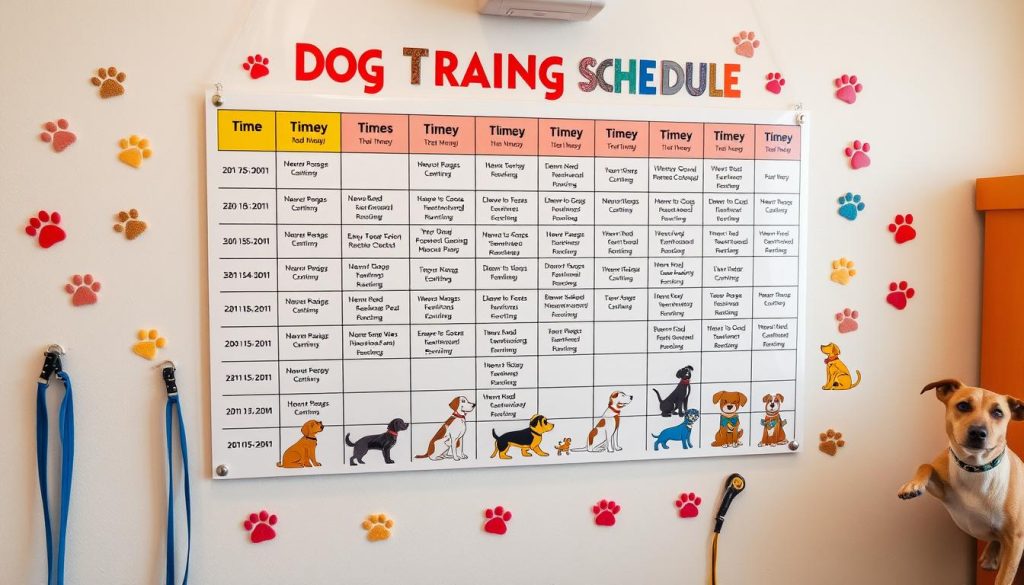
The aim of a daily dog training routine is to make learning fun and natural. It boosts their abilities and simplifies your life as their owner. Remember, consistency, patience, and routine are the keys to successful training.
Quick Recommendation: Our blog is filled with tips and tricks for training your puppy or dog. If you’re seeking a comprehensive training program, we recommend K9 Training Institute.
Not Using Treats Correctly
One big mistake in dog training is not using treats right. Giving too many treats can make your dog overweight. It’s important to use the right amount and size of treats.
Choose small treats that don’t fill your dog up. This makes training easier and more fun.
Timing is key when giving treats. Rewarding your dog right after they do something good helps them learn faster. Waiting too long can confuse them.
Also, using treats that aren’t very appealing can make training less exciting. Treats like small pieces of chicken or cheese work better. Changing up the treats keeps your dog interested.
But treats aren’t the only thing that works. Using praise, petting, and play as rewards can make training more fun. It keeps your dog eager to learn.
Giving Up Too Soon
Feeling like giving up is common when dog training gets tough. It’s key to keep going, even when progress seems slow. Remember, hitting a plateau is just part of the journey.
Quitting too early can hold your dog back. Keep pushing through, and don’t let small setbacks stop you. Set achievable goals and celebrate small wins. This boosts positive behavior and keeps you both motivated.
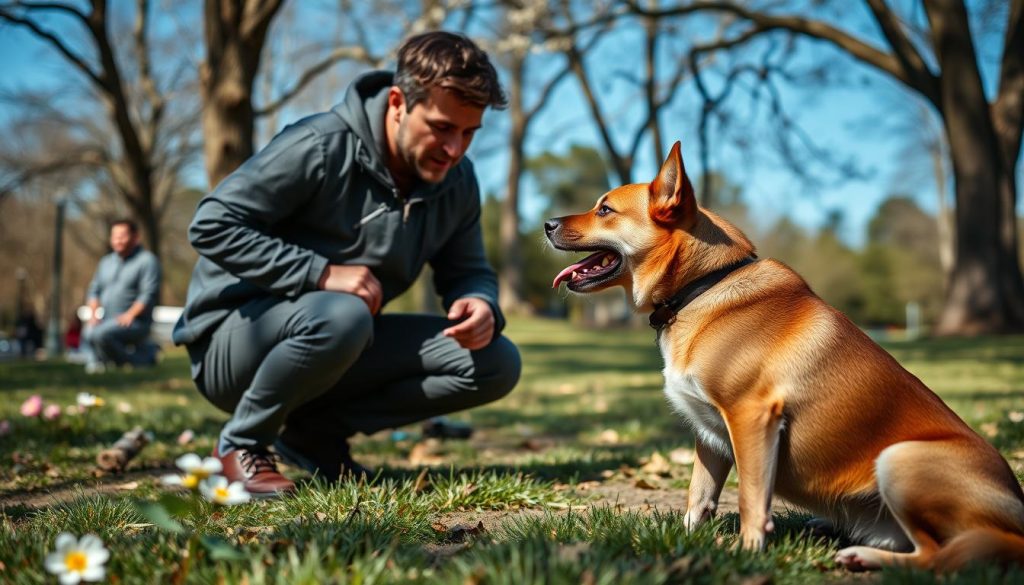
Try mixing up your training to keep it fun. This keeps your dog interested and covers different skills. Stick to a routine and be patient, and you’ll see big changes.
Training your dog for the long haul takes commitment. It improves their skills and strengthens your bond. Every dog learns differently. Keep pushing through, and you’ll have a well-behaved, happy pet.
10 Common Dog Training Mistakes and How to Avoid Them
Dog training can be rewarding, but it’s crucial to avoid common mistakes. Recognizing and addressing these issues helps you achieve your training goals. Here’s a quick guide on the top ten mistakes and how to sidestep them:
First, being inconsistent with commands can confuse your dog. Ensure everyone uses the same words for commands. Consistency is key.
Second, lack of patience during training can harm progress. Remember, mastering dog training takes time. Stay patient and keep going.
Skipping socialization is another big mistake. Introduce your dog to various environments, people, and animals. This helps develop a well-rounded temperament.
Using negative reinforcement is not helpful. Instead, use positive reinforcement to encourage good behavior.
Having unrealistic expectations can lead to frustration. Set achievable goals and gradually increase the difficulty.
Ignoring behavioral issues can make them worse. Address unwanted behaviors as soon as they start.
Having an inconsistent training schedule can confuse your dog. Stick to a regular schedule for a routine your dog can rely on.
Not using treats correctly can slow progress. Use treats as rewards in moderation and pair them with verbal praise.
Giving up too soon is a common mistake. Dog training requires dedication. Keep working with your dog even when challenges arise.
Lastly, neglecting to avoid or correct these mistakes can harm your training efforts. Focus on preventing mistakes to help your dog master training. By following these tips, you can smoothly navigate the training process and enjoy a well-behaved dog for years.
Conclusion
Starting dog training can be tough but also very rewarding. Avoiding common mistakes like being inconsistent and impatient is key. Remember, training is about more than just commands. It’s about building a strong bond with your dog based on trust and respect.
To have a well-trained dog, spot and fix behavioral issues early. Keep a regular training schedule and use positive methods. These small steps every day will make a big difference, creating a happy home for you and your dog.
The secret to successful dog training is your dedication and openness to learning. If you’re struggling, getting help from a pro can be a game-changer. Training is a journey for both you and your dog. Use what you’ve learned here to enjoy the process of raising a well-trained dog. Your hard work will lead to a lifetime of happiness and friendship.
Quick Recommendation: Our blog is filled with tips and tricks for training your puppy or dog. If you’re seeking a comprehensive training program, we recommend K9 Training Institute.